Electronics & Communication Basics
Voltage, current, polarity, DC power & grounds, 3.3 V logic, and UART / I²C / SPI — the must‑know theory.
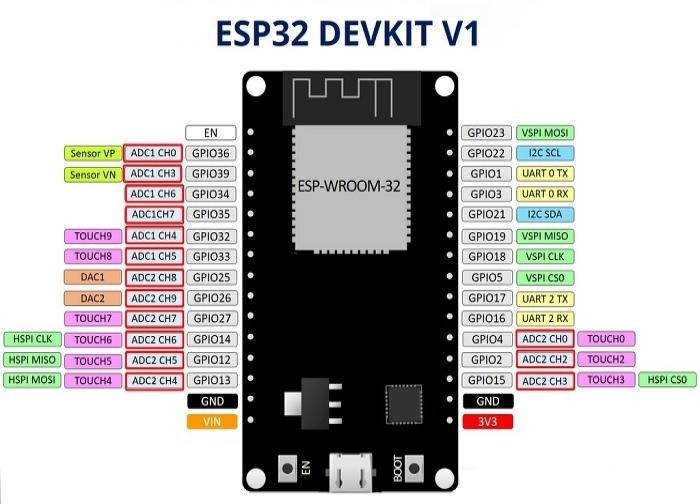
Introduction, Board Tour & Setup
What the ESP32 is, the pinout, safe GPIOs, Arduino IDE setup, and uploading your first sketch.
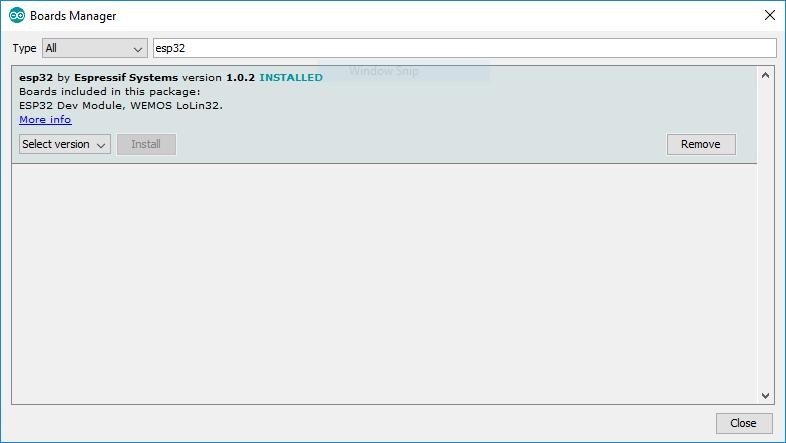
Arduino IDE Setup (with screenshots)
Install the Arduino IDE and ESP32 support step by step, then upload a test sketch.
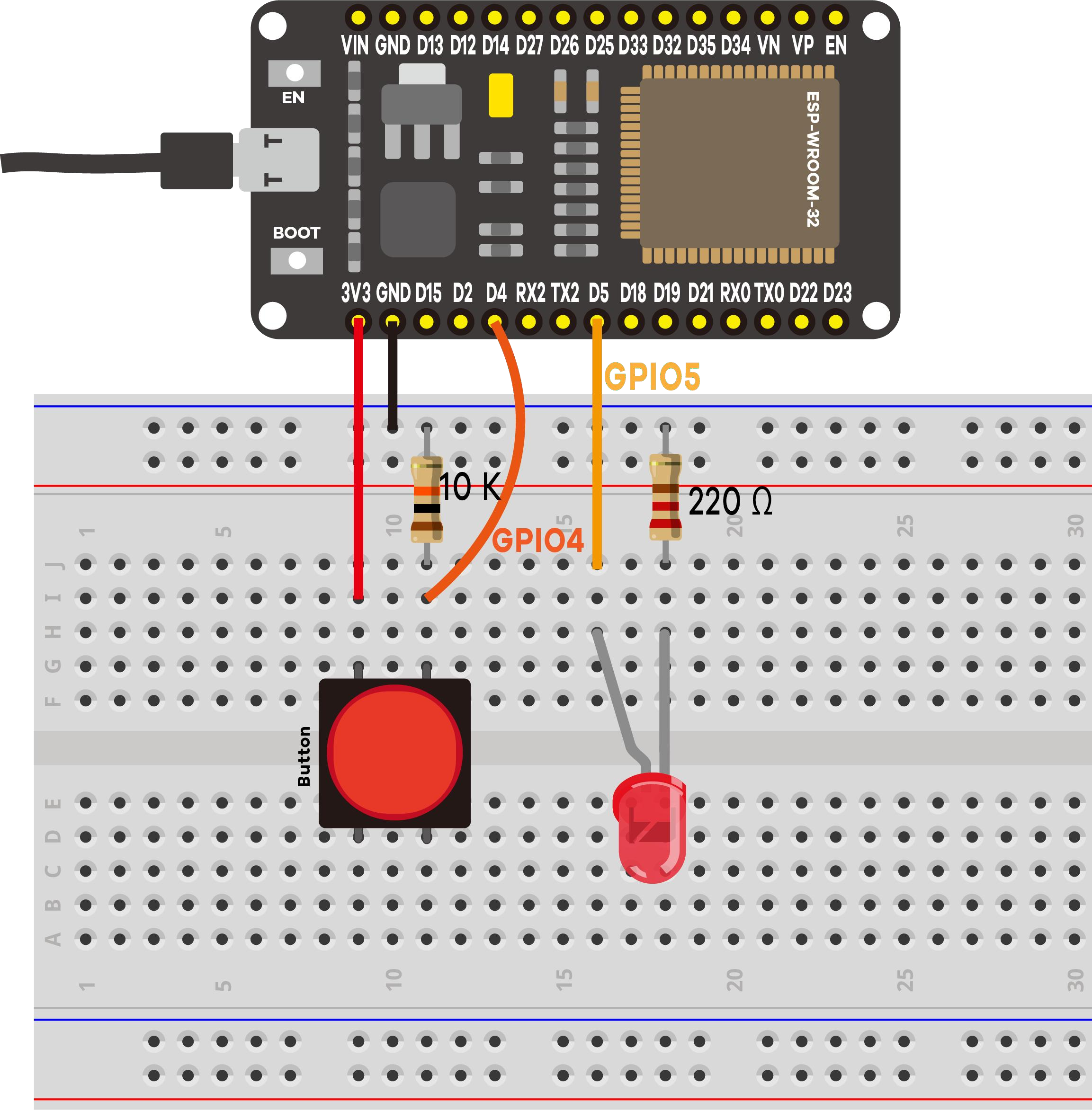
Inputs & Outputs — Button → LED
Read a digital input and drive a digital output. Pushbutton turns an LED on and off.
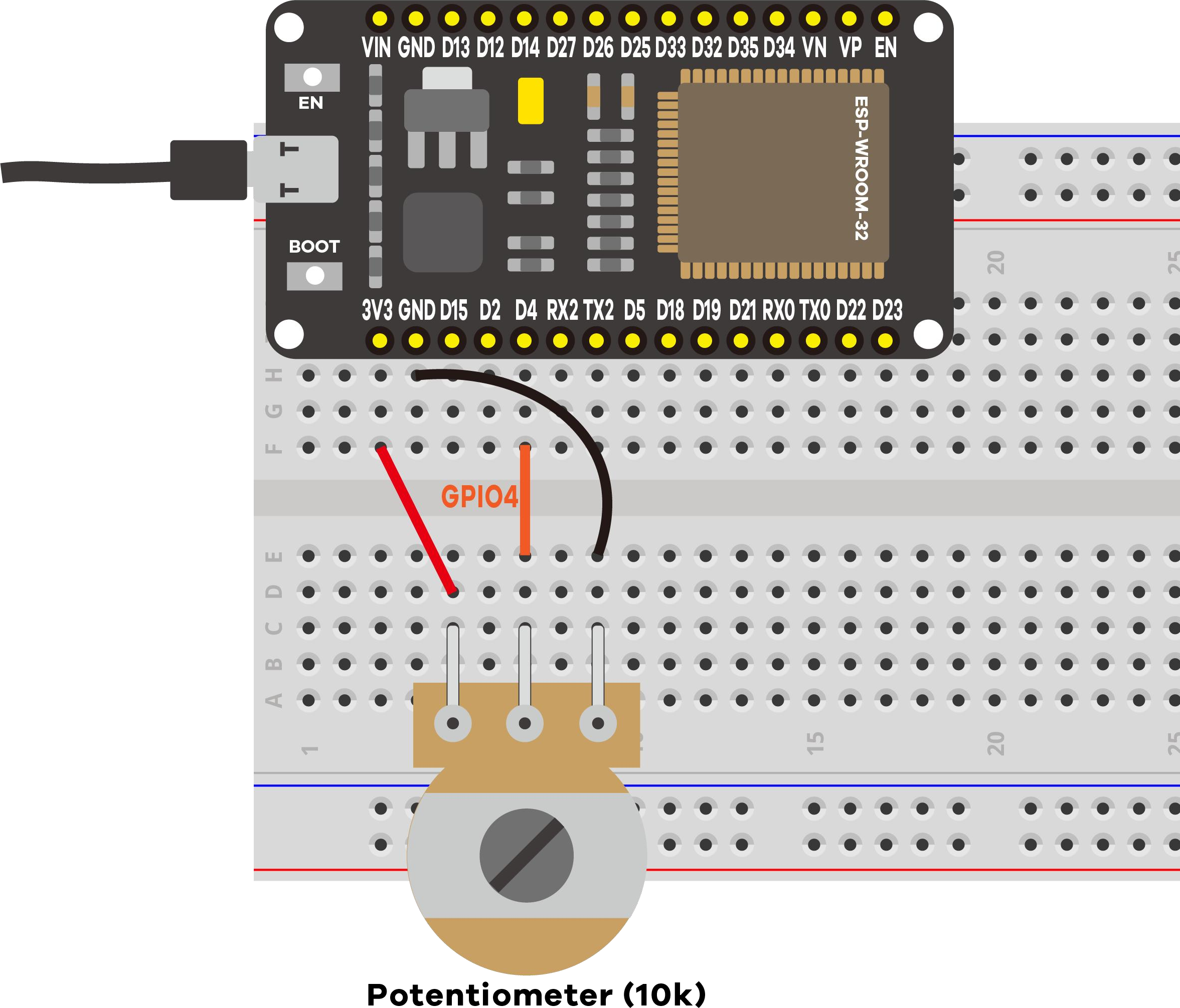
Analog Inputs (ADC)
Read a potentiometer as a 0–4095 value with analogRead() and watch it change.
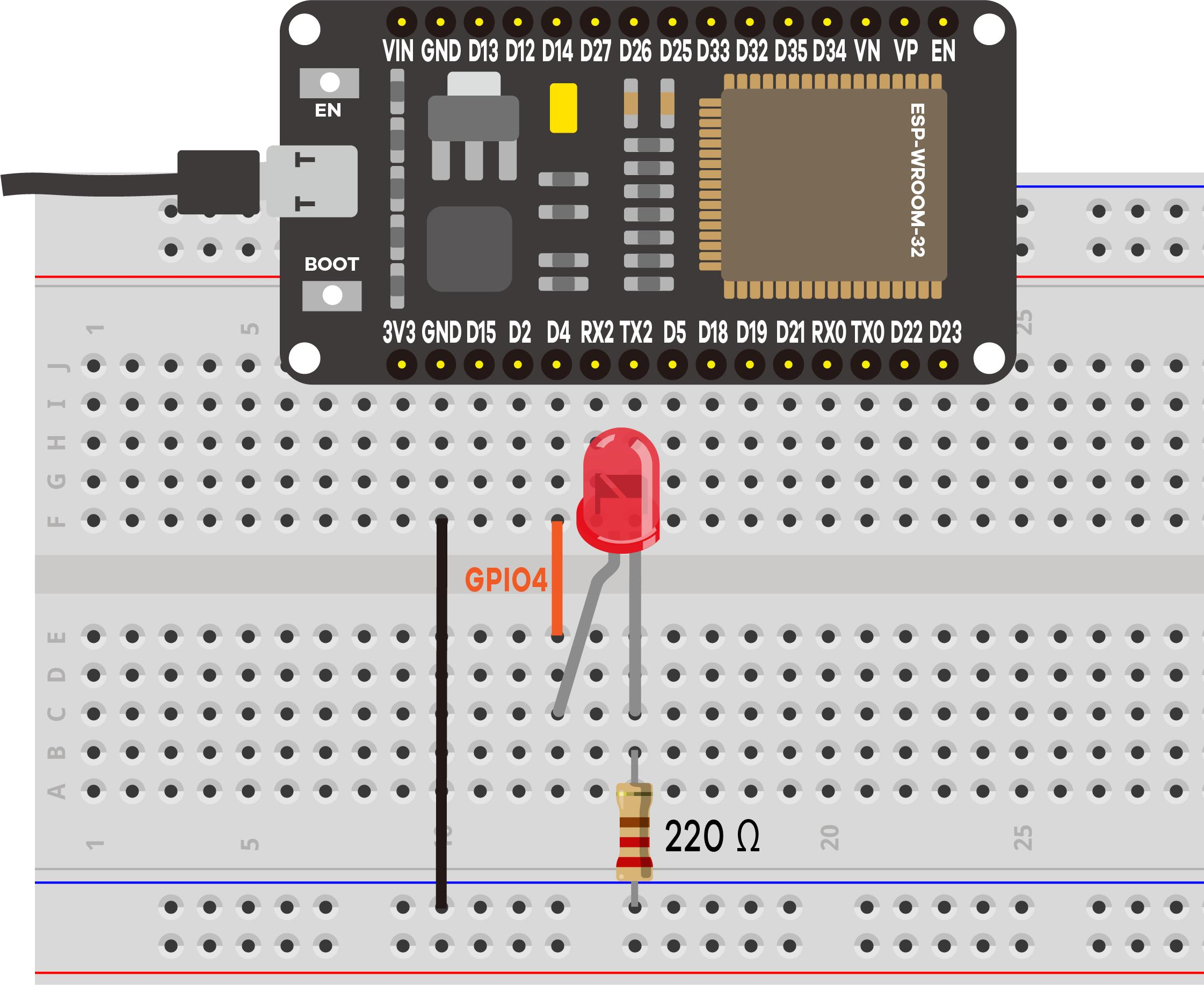
PWM — Analog Output (LED Fade)
Use the LED PWM controller to smoothly fade an LED brighter and dimmer.
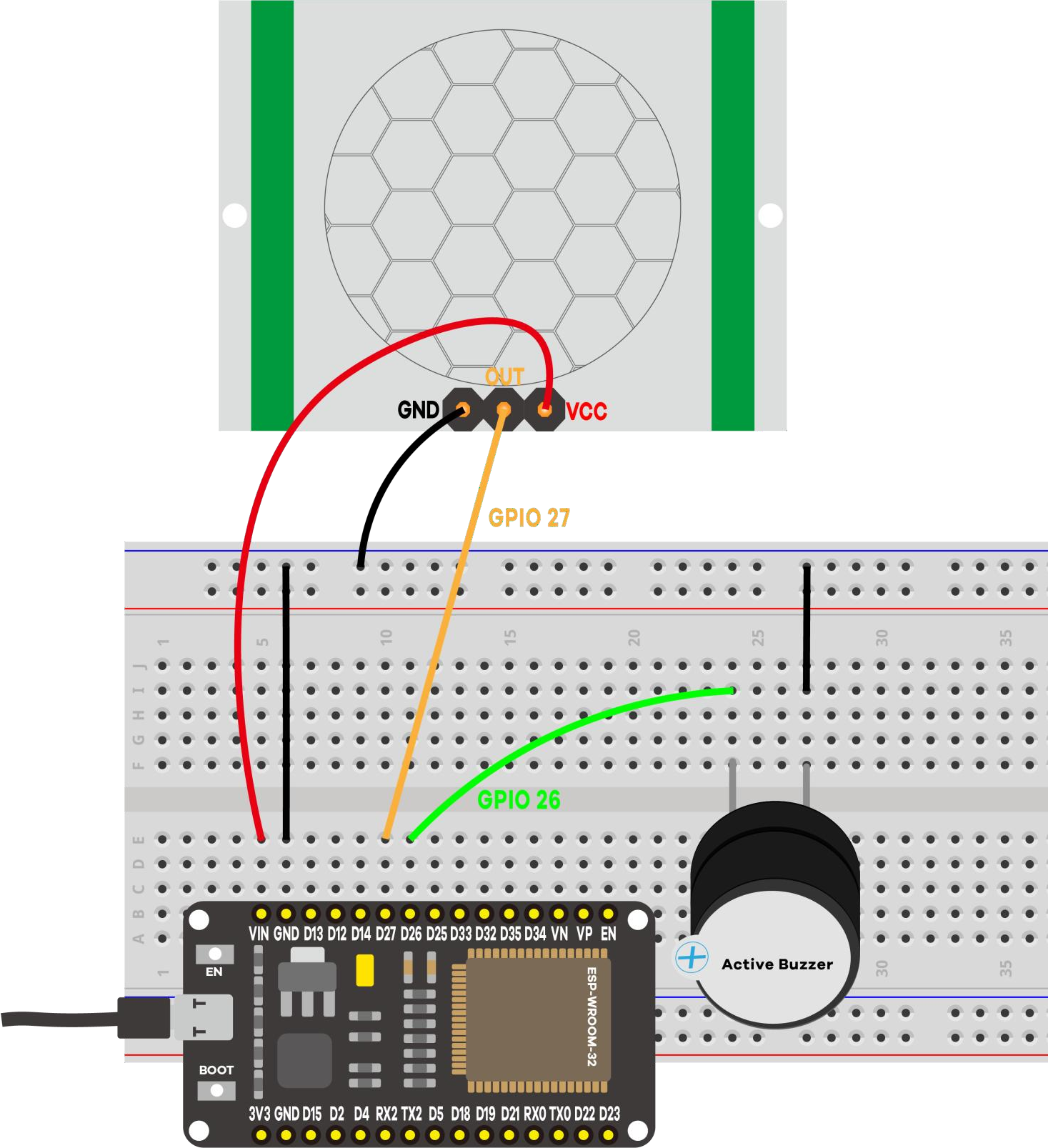
PIR Motion Sensor + Buzzer
Detect motion with an HC‑SR501 and sound a buzzer, using non‑blocking timers.
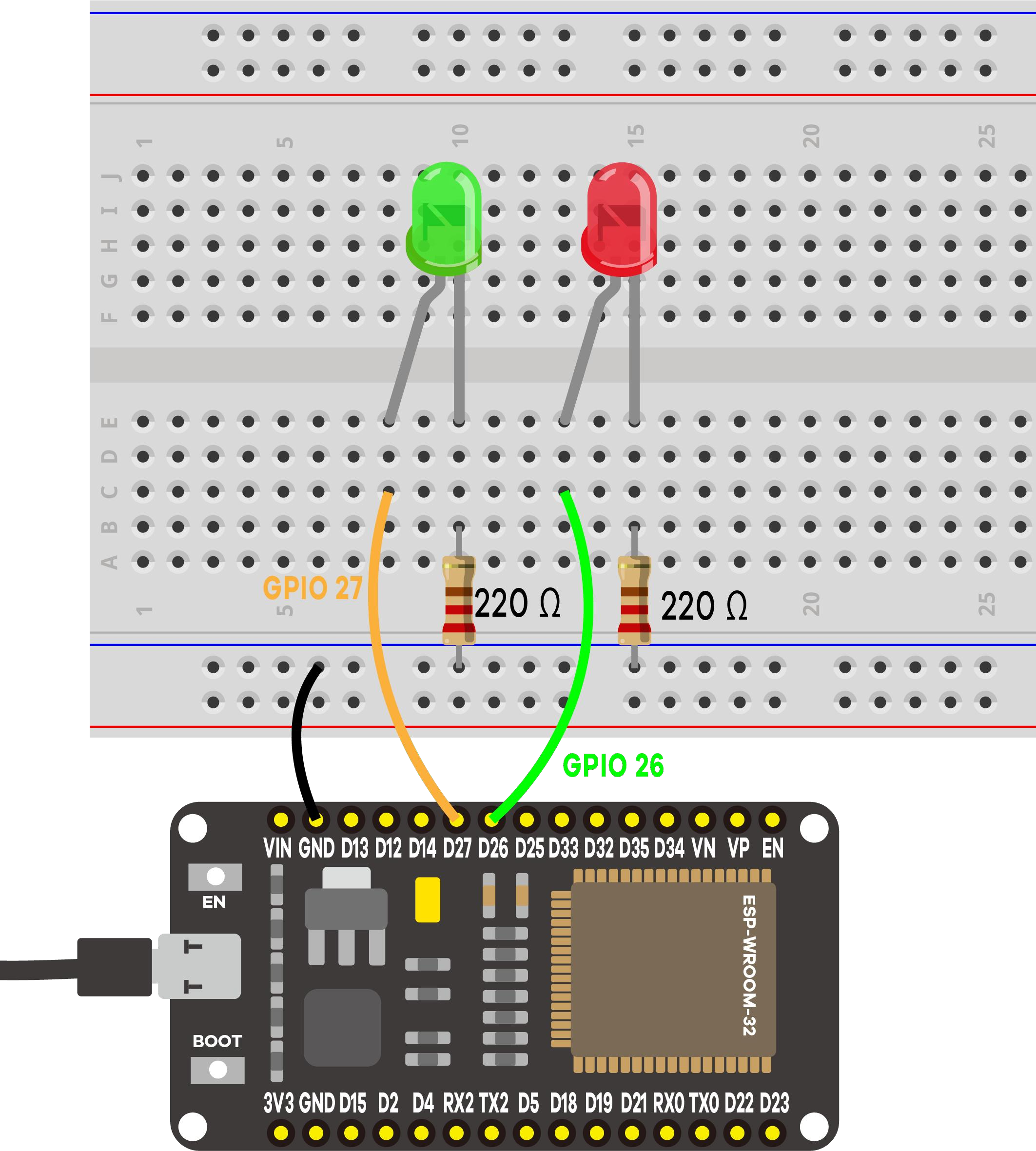
Switch Web Server (2 LEDs)
Host a web page on the ESP32 to toggle two LEDs from your phone or laptop.
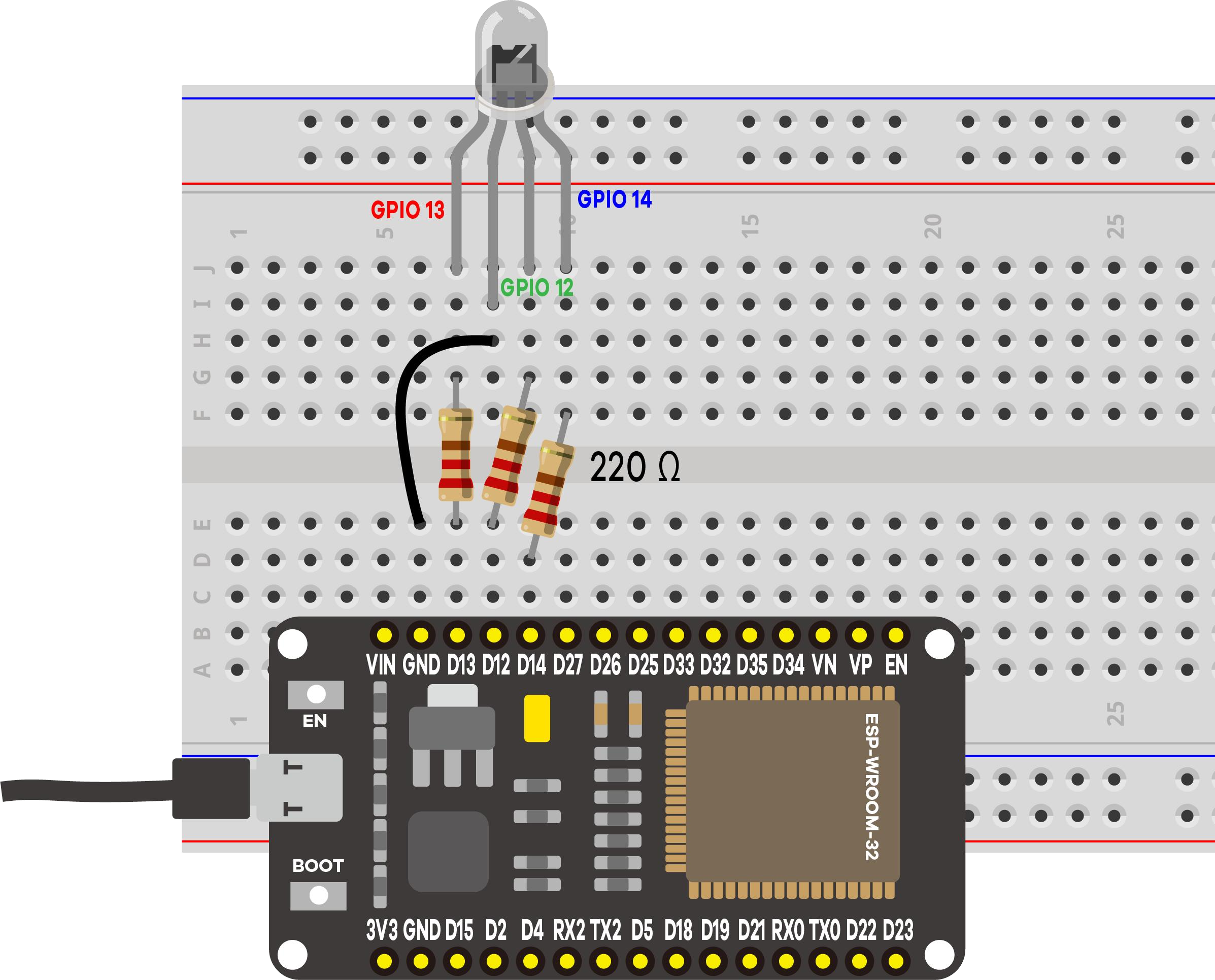
RGB LED Web Server (Color Picker)
Pick any color in the browser; the ESP32 mixes it on an RGB LED with PWM.
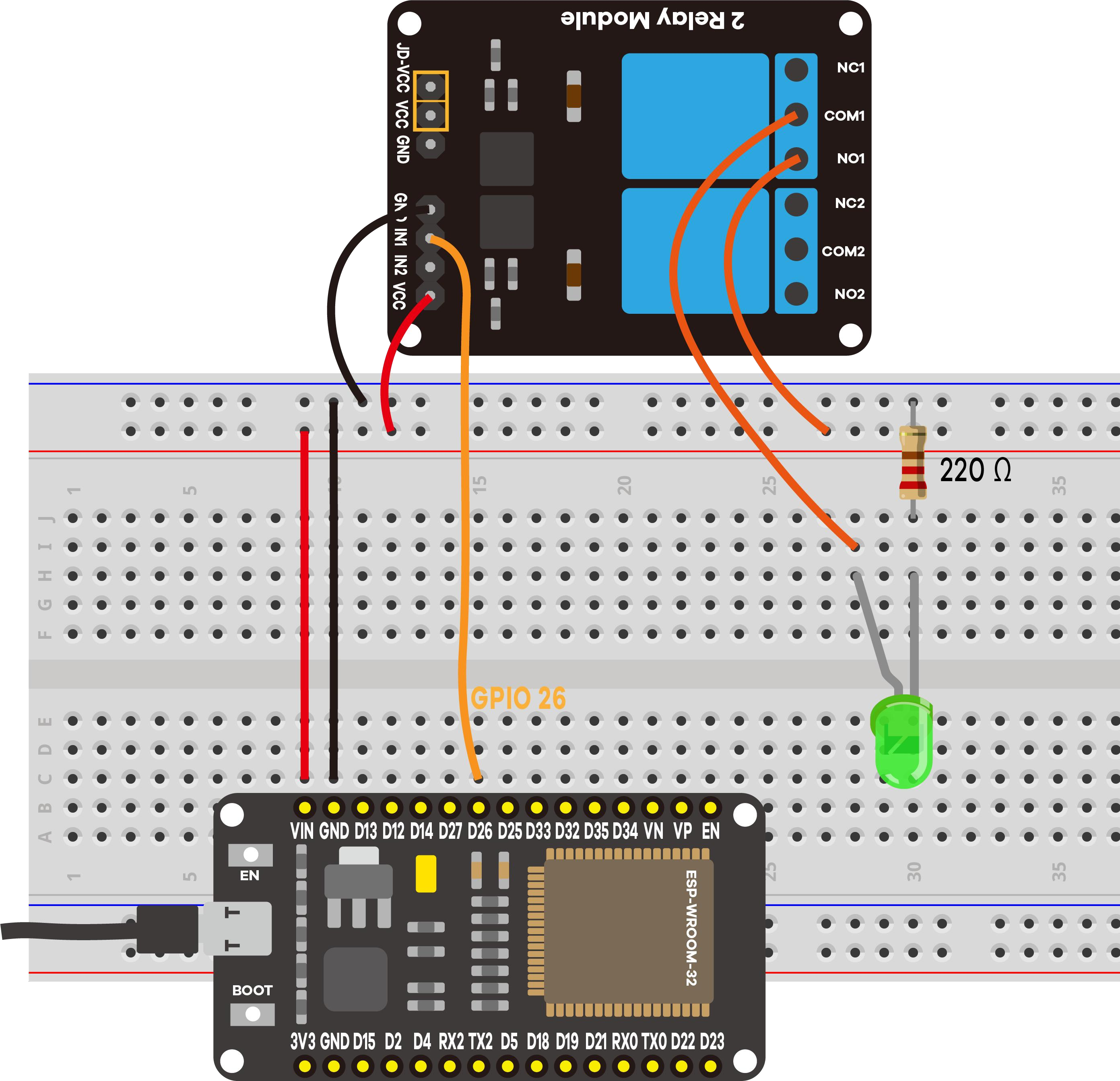
Relay Web Server
Switch a relay from a web page — the basis for controlling real appliances.
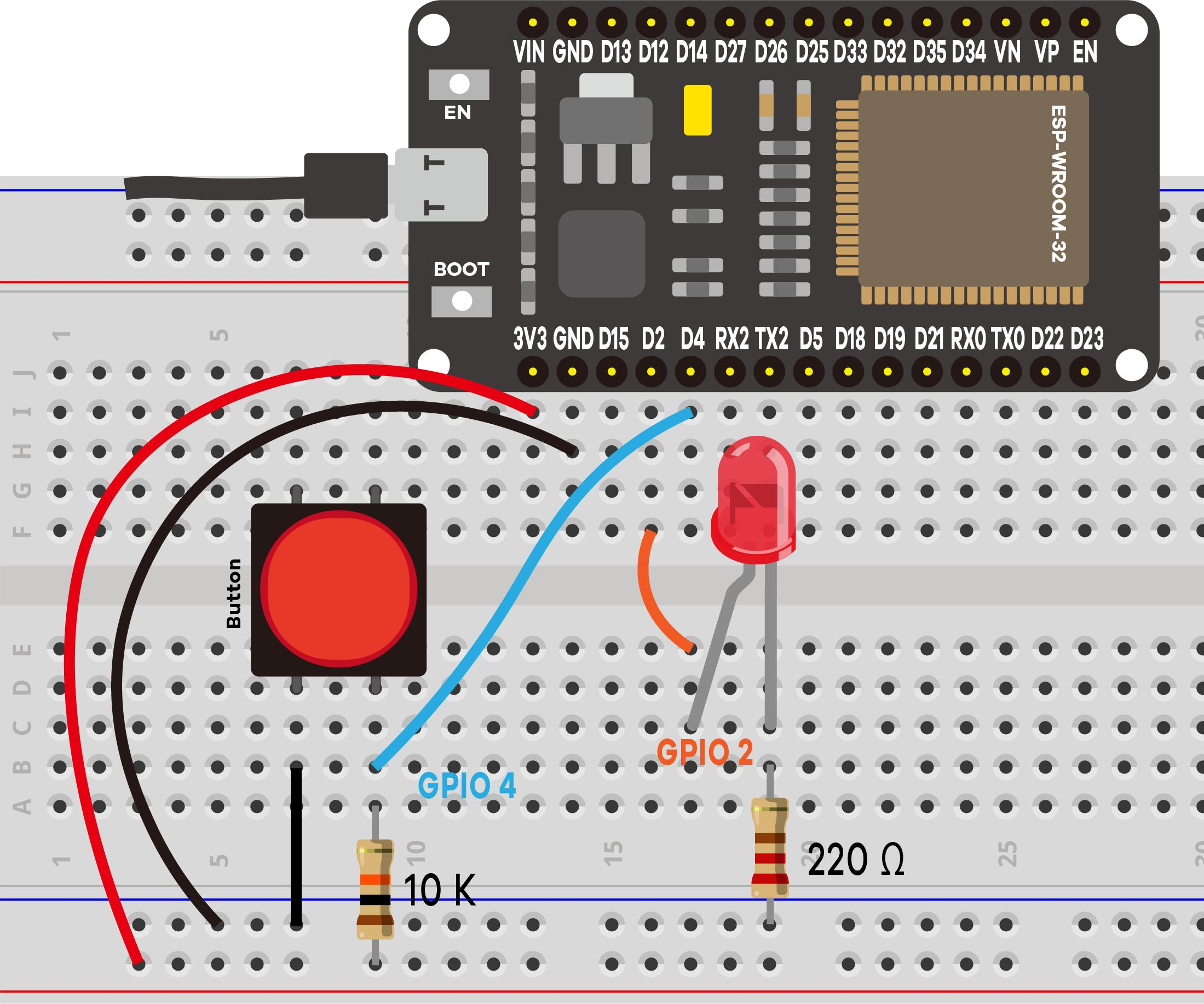
Output State Synchronization
Control one LED from both a web toggle and a physical button, kept in sync.
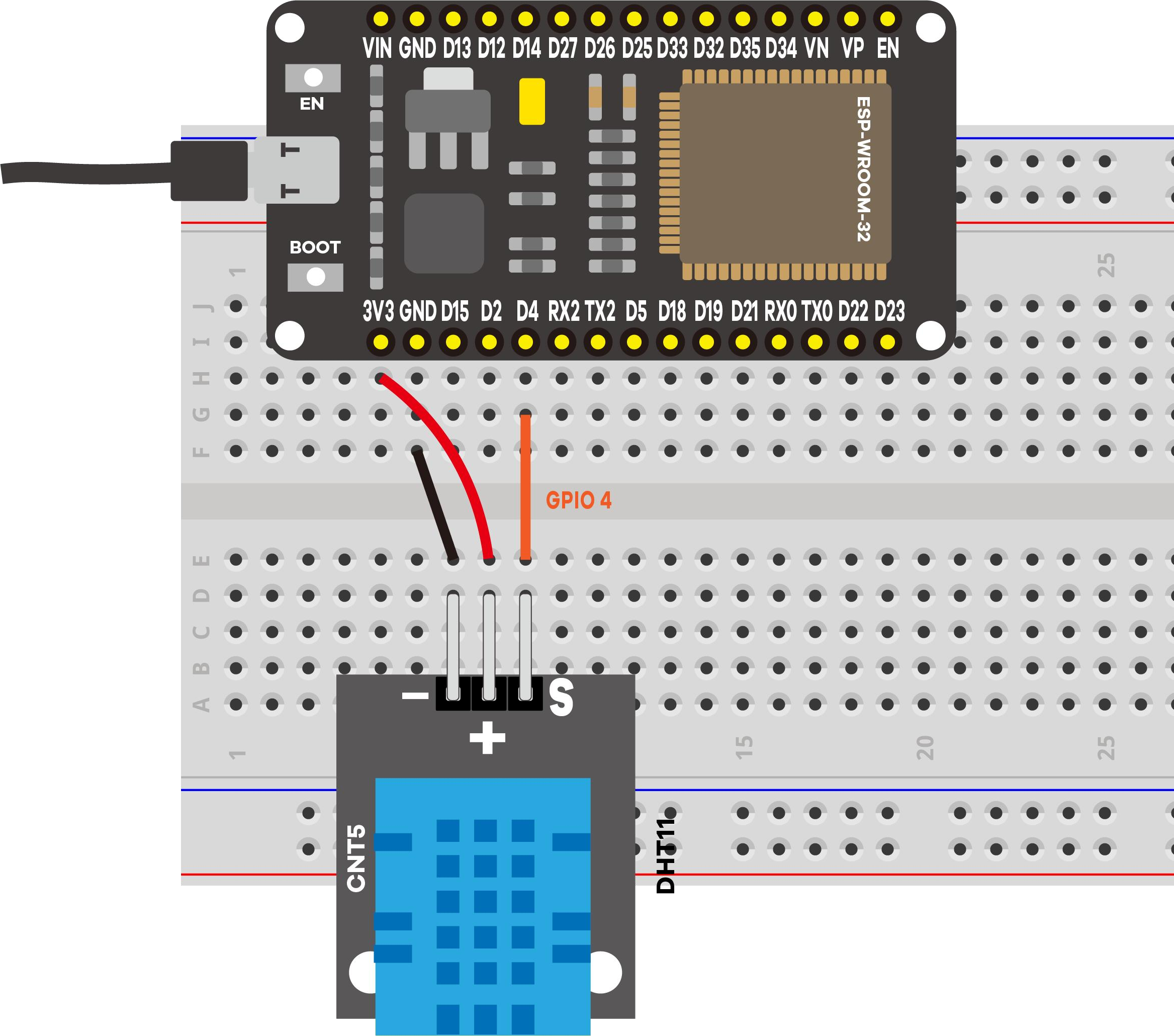
DHT11 Temperature & Humidity Server
Read a DHT11 and show live temperature/humidity on an auto‑updating web page.
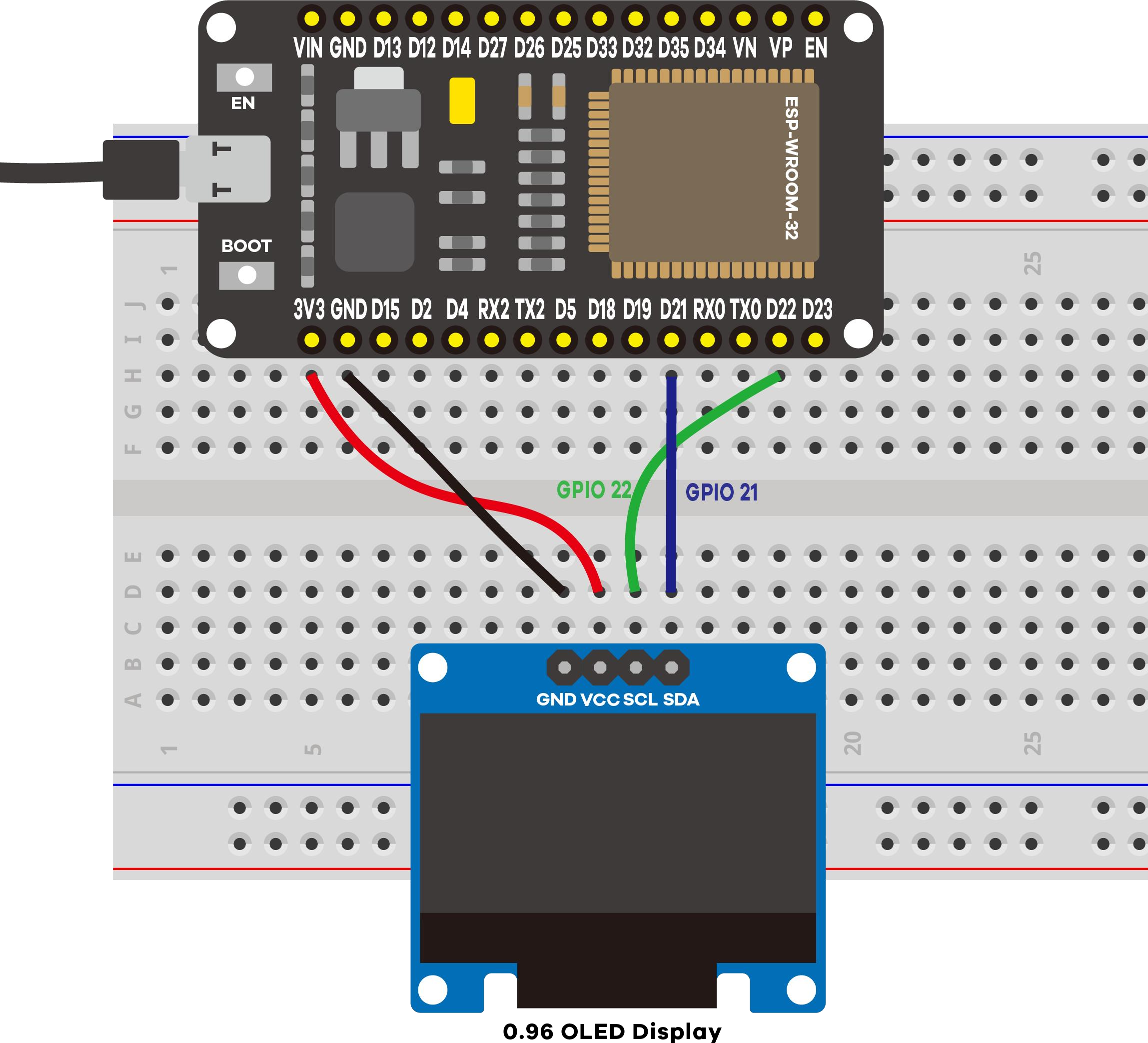
OLED Display (SSD1306)
Drive a 128×64 I²C OLED to show text and scrolling messages.
GPIO Reference
Full pin table — safe / strapping / input‑only pins, ADC, touch, DAC, and bus defaults.
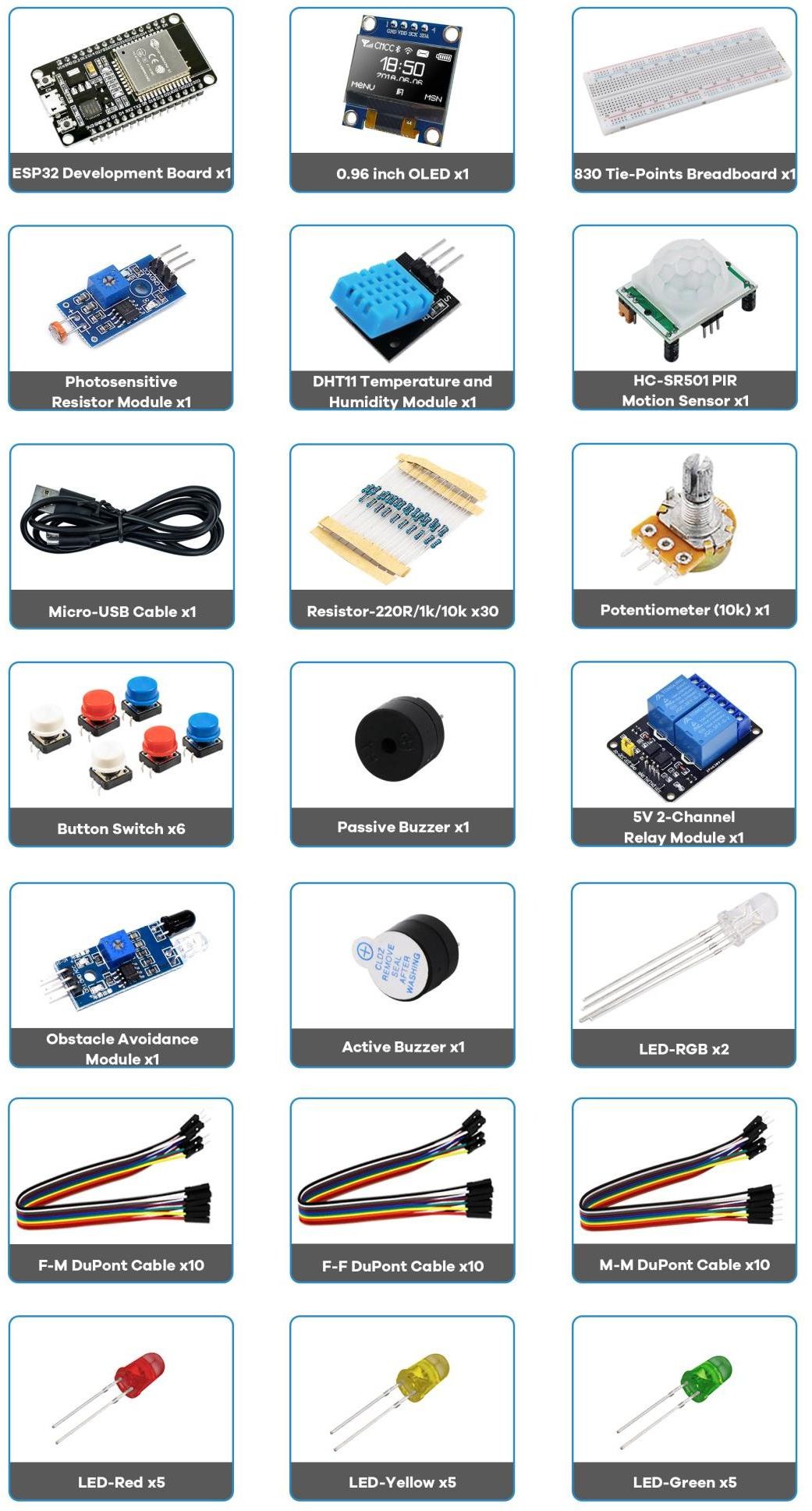
Components Glossary
Every part in the kit: what it is, how to identify it, polarity, and where it's used.